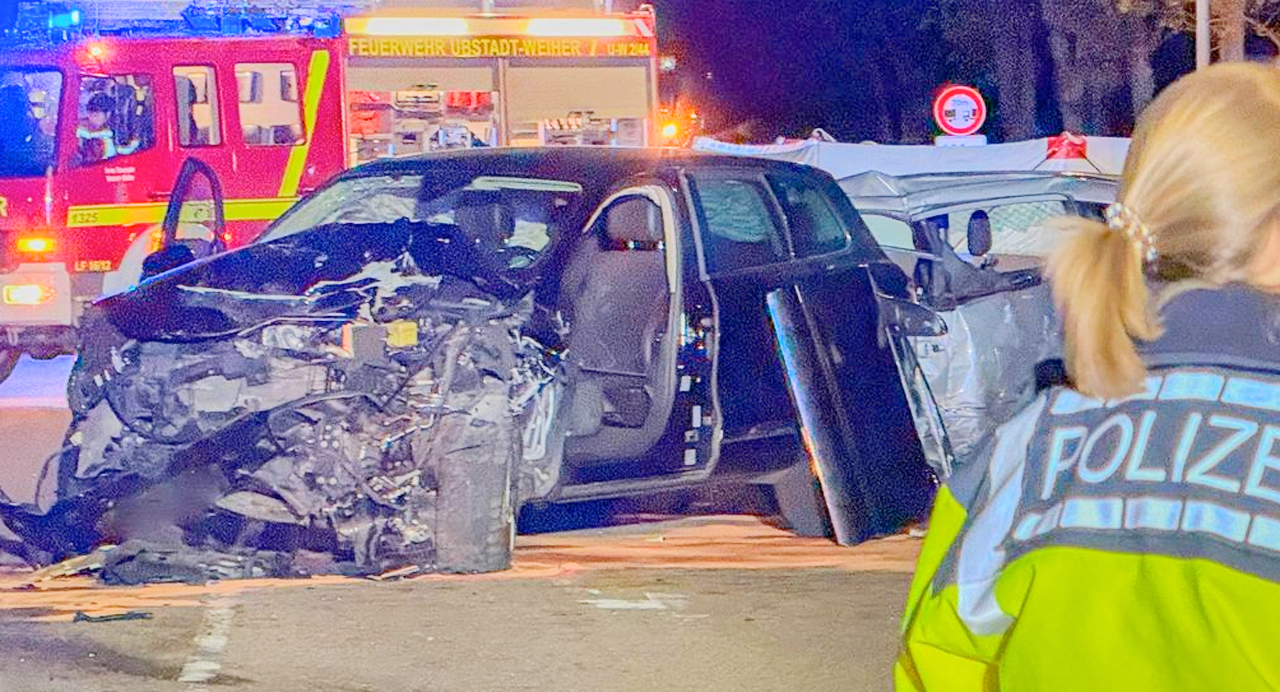
A5 Accident Near Ubstadt-Weiher: Lost Bike Carrier Injures Three in Shocking Incident
A recent traffic incident on the A5 motorway near Ubstadt-Weiher has sent a stark reminder about the critical importance of secure cargo and vigilant driving. What began as a seemingly ordinary journey for a Volvo driver quickly escalated into a multi-vehicle scare, leaving three individuals injured and prompting an urgent police appeal for witnesses. This Ubstadt-Weiher accident, characterized by the unexpected loss of a bike carrier on a busy highway, highlights a unique hazard that demands immediate attention from all road users.
The incident occurred in the northbound lanes of the A5, specifically between the Bruchsal and Kronau junctions, a stretch of road frequently traversed by commuters and travelers. At approximately 12:00 PM, a 58-year-old man driving a Volvo was reportedly traveling in the middle of three lanes when, without warning, the bike carrier mounted on his trailer hitch, complete with a bicycle, detached from his vehicle. The sudden appearance of the abandoned carrier and bike on the motorway triggered a chain reaction, forcing at least one unidentified driver to execute a drastic evasive maneuver to the left. The full extent of direct contact with the fallen items or the subsequent actions of other vehicles remains under investigation, but the result was three injured persons and a significant disruption to traffic flow in the Ubstadt-Weiher area.
The local traffic police are now actively seeking additional witnesses or participants who may have been involved or observed the events leading up to and immediately following the lost bike carrier. Their testimony is crucial in piecing together the precise sequence of events and identifying any other vehicles or individuals involved in this unsettling Ubstadt-Weiher accident. Such incidents underscore the unpredictable nature of road hazards and the profound impact a seemingly minor oversight, like an improperly secured load, can have on public safety.
The Cascade of Danger: Understanding the Risks of Lost Cargo on Highways
The recent A5 incident near Ubstadt-Weiher serves as a powerful case study for the dangers posed by insecure loads on high-speed motorways. While it might seem like a rare occurrence, items falling from vehicles contribute to a significant number of accidents annually, often with severe consequences. When a heavy object, such as a bike carrier and bicycle, detaches at highway speeds, it transforms instantly from harmless luggage into a perilous projectile or an immovable obstacle.
The Physics of Peril: Why Loose Items Are So Dangerous
At motorway speeds, the kinetic energy of a falling object is immense. Even a lightweight item can cause significant damage or serious injury. A bike carrier, typically weighing several kilograms and carrying a bicycle that adds another 10-20 kg, becomes an extremely dangerous hazard. Drivers have mere seconds to react to an unexpected obstruction, and their options are limited: brake hard, swerve, or hit the object. Each option carries inherent risks:
- Hard Braking: While sometimes necessary, sudden, heavy braking on a motorway can lead to rear-end collisions, especially if following drivers are not maintaining a safe distance.
- Evasive Swerving: As seen in the Ubstadt-Weiher A5 accident, swerving sharply to avoid an object can cause a driver to lose control, veer into other lanes, or even off the road. This can trigger multi-vehicle pile-ups, particularly on busy routes like the A5.
- Impact: Hitting a large object at speed can cause severe damage to the vehicle, potentially leading to a loss of control, deployment of airbags, and serious injuries to occupants. The debris from the impact can also pose further hazards to other road users.
Furthermore, the legal repercussions for a driver who loses cargo can be substantial. Depending on the jurisdiction and the outcome of the incident, they could face fines, license points, and even criminal charges if negligence is proven and injuries or fatalities occur. It is the responsibility of every driver to ensure their vehicle and its contents are safe and secure before embarking on a journey.
The Critical Role of Witness Accounts and Police Investigation
In incidents like the A5 Ubstadt-Weiher accident, where the immediate cause is clear but the full chain of events involving other vehicles is not, the role of witnesses is paramount. Police appeals for information are not just about assigning blame but about understanding the dynamics of the crash, identifying all parties involved, and potentially preventing future similar incidents through awareness and enforcement. Witnesses can provide crucial details, such as:
- The exact moment the carrier detached.
- The reactions of other vehicles, including the unknown car that swerved.
- Any subsequent impacts or near misses that may have gone unreported.
This information helps investigators reconstruct the scene accurately, which is vital for insurance claims, legal proceedings, and informing public safety campaigns. If you ever witness such an incident, reporting it to the authorities promptly and accurately is a civic duty that contributes to overall road safety.
Essential Preventative Measures: Securing Your Load and Driving Defensively
The recent Ubstadt-Weiher Unfall on the A5 underscores the need for stringent pre-trip checks and defensive driving habits. Preventing such incidents is far more effective than reacting to them.
Pre-Trip Checks: Ensuring Your Cargo Stays Put
For any driver transporting items, especially bulky ones like bicycles on a carrier, a thorough pre-trip inspection is non-negotiable. Here are key actionable steps:
- Bike Carrier Inspection:
- Hitch Connection: For tow-hitch mounted carriers, ensure the locking mechanism is fully engaged and secure. Rock the carrier firmly to check for any wobble.
- Straps and Clamps: Verify that all straps, clamps, and arms holding the bikes to the carrier are tight and properly fastened. Bikes should not move independently on the carrier.
- Weight Limits: Adhere strictly to the manufacturer's weight limits for both the bike carrier and your vehicle's tow hitch. Overloading can lead to mechanical failure.
- Lights and License Plate: Ensure the carrier's lights (if equipped) and your vehicle's license plate are clearly visible and functional, as required by law.
- General Cargo Security:
- Tie-Downs: Use appropriate tie-downs (ratchet straps, ropes) for any load. Ensure they are correctly rated for the weight and secured at multiple points.
- Covering: For loose items, consider using a net or tarp to prevent smaller pieces from flying off.
- Weight Distribution: Distribute weight evenly to maintain vehicle stability, especially when towing a trailer.
- Regular Checks: During long journeys, stop periodically to re-check the security of your cargo. Vibration and movement can loosen even well-secured items.
Defensive Driving in Dynamic Traffic Conditions
Beyond securing cargo, every driver has a role to play in mitigating the risks posed by unexpected road hazards, whether they are lost loads, debris, or wildlife. This is particularly relevant in areas like Ubstadt-Weiher, which features both major highways and rural roads.
- Maintain Safe Following Distances: This is arguably the most crucial defensive driving technique. A greater distance provides more time to react to sudden braking ahead or an object appearing on the road. The "two-second rule" is a minimum; extend it in adverse weather or heavy traffic.
- Scan the Road Ahead: Don't just look at the car in front of you. Actively scan far down the road and to the sides to anticipate potential hazards. Look for brake lights far ahead, signs of distress from other vehicles, or unusual movements.
- Be Aware of Your Surroundings: Use your mirrors regularly to know what's happening around your vehicle. This awareness can be critical if you need to perform an evasive maneuver.
- Controlled Braking vs. Swerving: If an obstacle appears, the immediate instinct might be to swerve. However, controlled, firm braking is often safer than sudden swerving, especially on multi-lane highways where another vehicle might be in the adjacent lane. Only swerve if you are certain the path is clear and it's the only way to avoid a more severe collision.
Broader Traffic Safety Challenges in the Ubstadt-Weiher Region
While the A5 incident involving the lost bike carrier draws attention to specific types of road hazards, the Ubstadt-Weiher area, like many regions encompassing diverse road networks, faces a range of traffic safety challenges. From high-speed motorway incidents to accidents on rural routes, vigilance is key for all road users.
For instance, the region's agricultural landscape often means sharing roads with large farm vehicles. A separate incident highlighted a severe injury sustained by a senior driver of a "Hako" - a single-axle tractor - on a field path between Stettfeld and Zeutern. Such occurrences underscore the unique risks associated with agricultural machinery, often slower-moving and less visible, especially on smaller country roads. For more details on this incident, you can read about the Ubstadt-Weiher: Senior Severely Hurt in Hako Tractor Crash. Awareness of these differences is vital for both agricultural workers and other drivers navigating shared routes.
Another prevalent concern, particularly in areas bordering natural habitats, is wildlife encounters. A recent event saw a delivery van completely gutted by fire on the district road between Zeutern and Östringen after its driver performed an emergency stop to avoid a deer crossing the road. While the driver escaped uninjured, the vehicle was a total loss, and the road remained closed for hours. This incident illustrates the destructive potential of wildlife encounters and the importance of being prepared for sudden stops, especially at dawn and dusk. Learn more about this event in Deer Encounter Ignites Van Fire Near Ubstadt-Weiher, Road Closed. Such diverse accident types emphasize that road safety is a multifaceted issue, demanding attention to different hazards depending on the driving environment.
Conclusion: Collective Responsibility for Safer Roads in Ubstadt-Weiher
The A5 accident involving the lost bike carrier near Ubstadt-Weiher, which resulted in three injuries and a police search for witnesses, serves as a compelling and unusual reminder of how quickly seemingly minor oversights can escalate into dangerous situations on our roads. This incident, alongside others like agricultural vehicle accidents and wildlife encounters, underscores the varied traffic safety challenges inherent in the Ubstadt-Weiher region's diverse road network.
Ultimately, road safety is a collective responsibility. Every driver must commit to thorough pre-trip checks, ensuring all cargo, particularly items like bike carriers, is impeccably secured. Equally vital are defensive driving techniques, including maintaining safe distances, scanning the road ahead, and making informed decisions in response to unexpected hazards. By adopting these practices, and by being vigilant and proactive, we can significantly reduce the likelihood of future "Ubstadt Weiher Unfall" scenarios and contribute to safer, smoother journeys for everyone on the road.