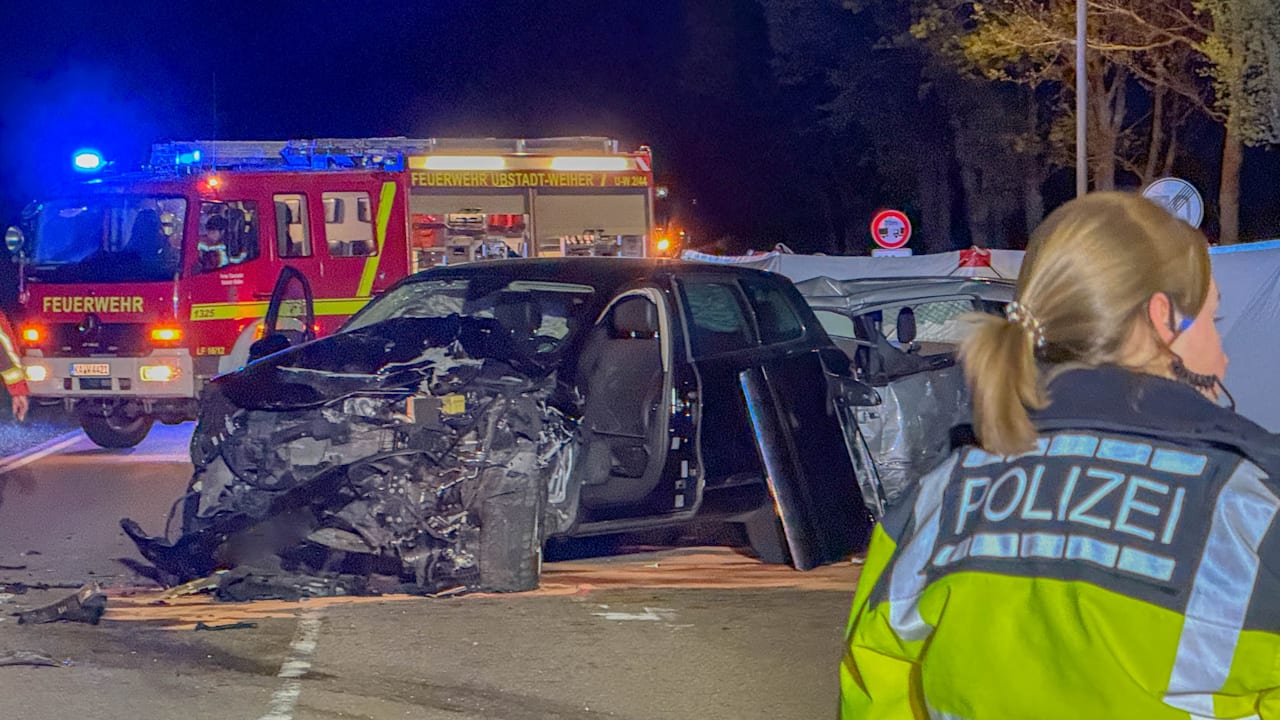
Ubstadt-Weiher: Senior Severely Hurt in Hako Tractor Crash – A Call for Enhanced Rural Road Safety
The tranquil landscape of Ubstadt-Weiher, nestled in the picturesque district of Karlsruhe, was recently the scene of a grave accident that has underscored the critical need for vigilance and safety, particularly on rural routes and field paths. In a distressing incident that forms the core of a recent Ubstadt Weiher Unfall (Ubstadt-Weiher accident), an 83-year-old man sustained severe injuries while operating a Hako single-axle tractor, bringing the community's focus back to the safety protocols surrounding agricultural machinery and the well-being of its senior citizens.
The accident, which occurred on a Wednesday morning, took place on a field path connecting the Ubstadt-Weiher districts of Stettfeld and Zeutern. The elderly driver was navigating his Hako, a type of Einachsschlepper primarily used for various agricultural and gardening tasks, when the incident transpired. The exact circumstances leading to the crash are still under investigation, but the outcome was serious: the senior operator suffered severe injuries, prompting an immediate emergency response and a renewed discussion on how best to prevent such occurrences in the future.
Understanding the Hako Einachsschlepper: A Closer Look at the Machine and its Risks
A "Hako," or more broadly, an Einachsschlepper (single-axle tractor), is a versatile piece of agricultural equipment widely used in small-scale farming, landscaping, and gardening. These machines are characterized by their single driving axle and are typically operated by a person walking behind them, guiding them with handlebars. They can be fitted with various attachments, such as tillers, mowers, ploughs, and even small trailers, making them indispensable for many tasks in rural and semi-rural areas.
While highly practical, operating an Einachsschlepper, especially a Hako, demands a degree of physical strength, balance, and quick reaction times. Unlike multi-axle tractors, their single-axle design can make them less stable, particularly on uneven terrain, slopes, or when encountering obstacles. The operator's body acts as a counterbalance and steering mechanism, meaning that any sudden movement, loss of footing, or mechanical failure can quickly lead to a loss of control. For an 83-year-old, factors such as potentially diminished balance, slower reflexes, and reduced physical strength could significantly increase the risk associated with operating such machinery. This incident serves as a stark reminder of the inherent dangers and the importance of assessing an operator's physical capabilities against the demands of the equipment.
Ensuring Safety on Rural Routes and Field Paths: Tips for Operators and Community Members
The Ubstadt-Weiher Hako accident highlights the need for comprehensive safety measures on field paths and in the operation of agricultural machinery. These routes often lack the clear signage, lighting, and even surfaces found on main roads, posing unique challenges for all users.
- For Agricultural Machinery Operators (Especially Seniors):
- Regular Health Check-ups: Before operating any machinery, especially heavy or complex equipment like a Hako, older individuals should undergo regular medical assessments to ensure they are physically and cognitively fit for the task. This includes checks on vision, hearing, balance, and reaction time.
- Know Your Machine: Thoroughly understand the specific operational manual of your Hako or other machinery. Be aware of its limitations, maintenance schedule, and emergency shut-off procedures.
- Proper Training: Even experienced operators can benefit from refresher courses or training on new models. Ensuring competence and familiarity with modern safety features is crucial.
- Inspect the Environment: Always assess the field path or terrain before operating. Look for uneven ground, hidden obstacles, steep inclines, or slippery surfaces that could destabilize the machine.
- Avoid Overexertion: Plan tasks to avoid fatigue. Take regular breaks, especially in challenging conditions.
- Personal Protective Equipment (PPE): Wear appropriate sturdy footwear, gloves, and hearing protection if required.
- Seek Assistance: If a task feels too challenging or physically demanding, do not hesitate to ask for help or delegate the task.
- For All Users of Field Paths:
- Be Aware of Machinery: Field paths are working environments. Expect to encounter tractors, harvesters, and other agricultural vehicles. Give them plenty of space.
- Visibility: Pedestrians and cyclists should make themselves visible, especially during dawn, dusk, or adverse weather conditions, by wearing bright clothing.
- Share the Path Responsibly: Respect that these paths are used by various groups – farmers, cyclists, walkers, and sometimes even equestrians. Patience and courtesy are key.
Recent Incidents Highlight Diverse Risks in Ubstadt-Weiher Traffic
Beyond the Hako accident, the Ubstadt-Weiher region has seen other significant traffic incidents recently, each underscoring different facets of road safety and the varied challenges faced by drivers and emergency services alike. These events serve as a broader reminder that vigilance is crucial across all types of roads and for all modes of transport in the area.
The Perils of Unsecured Loads: A5 Accident Involving a Lost Bicycle Carrier
One notable incident on the A5 Autobahn, a major thoroughfare near Ubstadt-Weiher, brought attention to the critical importance of properly securing cargo. A 58-year-old Volvo driver, heading north on the middle lane of three, reportedly lost a bicycle carrier along with the bicycle mounted on his tow hitch. The immediate consequence was a chain reaction: an unknown vehicle swerved sharply to the left to avoid the debris, and subsequently, three people sustained injuries in the ensuing crash. Police are still searching for the unknown vehicle and further witnesses. This incident underscores that seemingly minor oversights, like an improperly secured load, can have severe, far-reaching consequences on high-speed roads. It's a stark reminder for all motorists to conduct thorough checks before embarking on any journey, especially when carrying items externally. For more details on this particular incident, you can refer to our article: A5 Accident Near Ubstadt-Weiher: Lost Bike Carrier Injures Three.
Wildlife Encounters: The Van Fire Incident Near Zeutern
Another dramatic event occurred on the district road between Zeutern and Östringen, near Ubstadt-Weiher, involving a wildlife encounter that led to a vehicle completely burning out. Late one Friday night, the driver of a van performed an emergency stop after a deer unexpectedly crossed the road. Shortly after, she noticed a burning smell and a fire emanating from her vehicle. Despite being able to safely pull over and evacuate, the van was quickly engulfed in flames, becoming a total loss. While the driver miraculously escaped physical injury, she suffered from shock. The Ubstadt-Weiher fire department, with about 15 personnel from the Zeutern division, quickly responded, but the vehicle was already fully ablaze upon their arrival. The road had to be closed for over two hours for cleanup and investigation. This incident highlights the unpredictable dangers of wildlife on roads, particularly at night, and the severe consequences that can arise even from a non-collision wildlife encounter. Drivers should always be prepared for sudden animal crossings, especially in rural areas, and know how to react safely if their vehicle catches fire. For a deeper dive into this incident, check out: Deer Encounter Ignites Van Fire Near Ubstadt-Weiher, Road Closed.
Community Vigilance and Road Safety Initiatives
The recent series of incidents, from the severe Hako accident involving a senior operator to the multi-vehicle crash on the A5 and the van fire caused by a deer, paint a comprehensive picture of the diverse safety challenges present in the Ubstadt-Weiher area. These events collectively reinforce the importance of constant vigilance from all road users, whether they are operating agricultural machinery, driving on the autobahn, or navigating rural roads at night.
Local authorities, including the traffic police, continue their investigations into these incidents, seeking to understand the full circumstances and identify any contributing factors that could lead to improved safety measures. The involvement of various emergency services, such as the Ubstadt-Weiher fire department, underscores the community's commitment to rapid response and mitigation of risks.
Ultimately, road safety is a shared responsibility. Drivers are urged to maintain their vehicles, secure their loads, and adapt their driving to conditions and environments. Agricultural machine operators, especially seniors, should prioritize their well-being by ensuring they are fit for the task and the equipment is in safe working order. Pedestrians and cyclists must remain visible and aware of their surroundings. By fostering a culture of caution, preparedness, and mutual respect, the community of Ubstadt-Weiher can collectively strive to minimize the occurrence and severity of such unfortunate incidents in the future.